
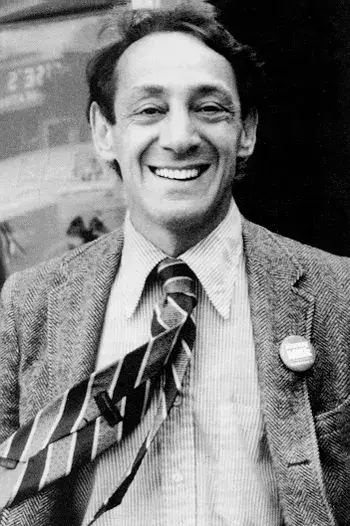
At first glance, he was just a camera store owner in San Francisco in the 1970s. But if you look a little closer, you’ll see something else entirely. You’ll see a man who stepped into visibility at a time when most people like him were told to stay silent. A man who chose to be seen when it wasn’t safe, easy, or even socially acceptable. And if you’ve ever hesitated about showing your full self to the world, his story might hit closer than you expect.
So what pushed him there?
San Francisco wasn’t always the haven people imagine today. Back then, under pressure from religious conservatives, police frequently targeted the gay community. Arrests, harassment, intimidation—it was part of daily life. At the same time, Milk was dealing with challenges in his own business, including a sudden tax that threatened his livelihood. He could have kept his head down. Many people did. But instead, he asked a different question: what if someone actually stood up?
That question led him into politics.
When Milk ran for City Council, it wasn’t just another campaign—it was a statement. And when he won, he became California’s first openly gay elected official. Imagine that moment. For the first time, people who had never seen themselves represented in public office suddenly had someone to point to and say, “That could be me.” Isn’t that what representation really does?
But Milk wasn’t just interested in holding a position. He wanted to shift something deeper.
He spoke openly about discrimination—not just against gay people, but against anyone pushed to the margins. He challenged the idea that some lives mattered less than others. And in doing so, he became more than a politician. He became a symbol. In fact, he’s often described as one of the most significant openly LGBTQ public officials ever elected in the United States. Not because of how long he served—but because of what he stood for.
And then, just as quickly, it was taken away.
On November 27, 1978, Milk was assassinated in his office by a colleague who opposed him. It’s a brutal ending to a story that was still unfolding. But here’s the thing—his message didn’t end with him.
If anything, it became louder.
One of Milk’s most powerful ideas was also one of the simplest: come out. Not just for yourself—but for everyone watching. He believed that when people come out, they change the people around them. Families rethink what they’ve been taught. Friends start to see differently. Society shifts, one relationship at a time. It wasn’t just about pride—it was strategy. Visibility, in his view, was how change actually happens.
And at the time, that idea was urgently needed.
People like John Briggs and Anita Bryant were leading highly visible campaigns against gay rights. Briggs tried to pass laws that would remove gay teachers from schools. Bryant used her celebrity status to argue that homosexuality should be opposed. So ask yourself—what does it take to speak up in a moment like that? What kind of courage does that require?
Milk had an answer. And he lived it.
If you want to experience that story more fully, the film Milk brings his life into focus in a way that feels immediate and deeply human.
And his work didn’t stop in 1978. Today, the Harvey Milk Foundation continues to carry his message forward—reminding people everywhere that being visible, even when it’s uncomfortable, has the power to change lives.
So maybe the better question isn’t just “Who was Harvey Milk?”
Maybe it’s this: what would it look like if more people chose to live as openly as he did?
Milk’s work continues today through the Milk Foundation, started by his nephew, Stuart. To learn more, go here https://milkfoundation.org/